A shelf full of games can look reassuringly permanent. The next game we want to put on it may tell a different story. On July 1, 2026, Sony Interactive Entertainment announced that physical disc production for all new games releasing on PlayStation consoles would end starting in January 2028. New releases after the transition are to be sold digitally through PlayStation Store and retailers. Read Sony’s announcement.
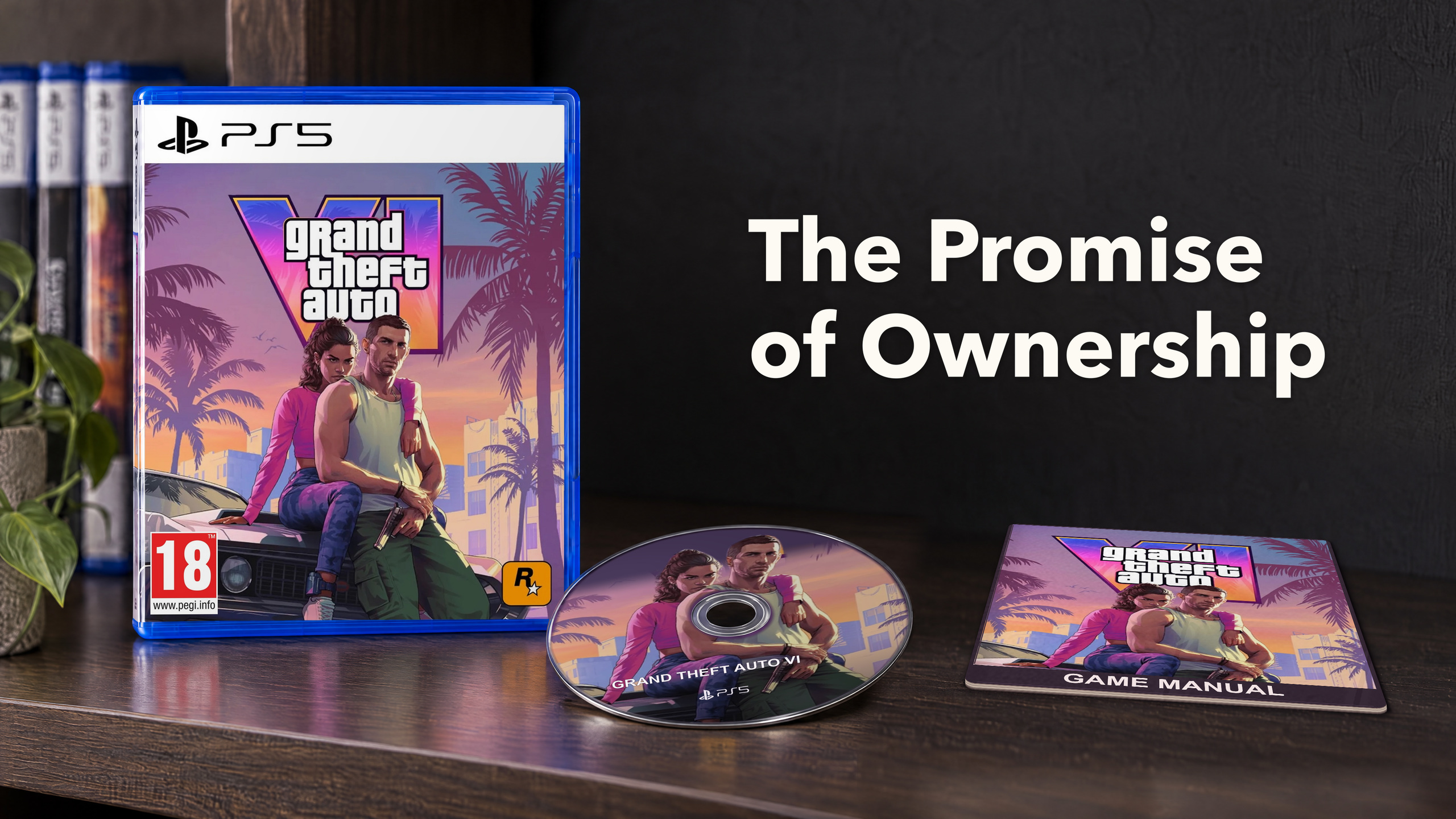
That still leaves room for a box on a shop shelf. In its July 31 investor Q&A summary, Sony said it planned retail packages containing download codes instead of discs. That is a boxed sales model; the game itself is still delivered digitally. For those of us who care about physical games, that distinction makes the question more urgent: what are we actually keeping when we buy a physical game? Read the Q&A, pages 2 and 4.
The five voices in this feature bring different kinds of experience to that question. Benedict Braitsch and Dennis Mendel bring a history in physical publishing; James Deighan brings experience in both developing and publishing games; José Donaire explains production choices at Tesura Games; and Fabian Käufer brings the historical research behind Stay Forever. Their experience and enthusiasm help explain both the appeal of physical games and the challenges of keeping them playable and their history alive.
“I’d say physical media might be one of my love languages,” says James Deighan, founder and CEO of Mega Cat Studios, speaking in a personal capacity. That is an unusually good description of a hobby in which a game on a shelf can tell you where you have been. A game can bring back the shop where you found it, the friend who lent it to you, or the weeks you spent saving for it.
Benedict Braitsch remembers reading the Zoo Tycoon manual on the way home after being allowed to choose a game following a dental appointment. Dennis Mendel talks about opening a new game, right down to its smell. These are small, personal pleasures. They help explain why the physical object matters even before anyone brings up preservation.
But when we buy that object, we expect more than a memory. The conversations at gamescom and subsequent written answers kept returning to a harder question: what should still be there when, years later, we take the game off the shelf and put it into our consoles?
What the object promises
Benedict Braitsch, a former co-founder of Strictly Limited Games who spoke in a personal capacity, sets a clear expectation for a game bought on disc or cartridge: “It has to still work in ten years. For me, that is absolutely non-negotiable.” He extends that expectation to digital purchases, too. If a game’s servers close, he would want an offline way to keep playing, provided the game supports a standalone single-player experience without fundamental changes to its design. It is his proposed baseline, rather than a guarantee attached to the games we buy today.
José Donaire of Tesura Games puts the buyer’s wish more simply: “If you pay for it, it should be yours.” Growing up with limited access to the internet shaped his attachment to physical media. His answer connects ownership with something practical: having access to the thing you bought, including when a good connection is unavailable.
For this discussion, a physical game means playable game data supplied on a disc, cartridge or another tangible medium. A box containing only a download code delivers the game digitally. A nice case can have collectible appeal, but it cannot carry the game into the future by itself.
James Deighan actually describes buying code-only boxes that still scratch part of his collecting itch. That is an honest complication. The pleasure of owning an object and the usefulness of the software it contains are different questions. A collector can value one without mistaking it for the other.
When is a game ready for store shelves?
James Deighan sees two kinds of completeness. One is the collector’s complete-in-box edition: the game medium, case and manual. The other is software that has received its patches, quality-of-life improvements and player feedback. “So the dream version of complete is both.”
The difficulty, in his account, is timing. Fans want the physical copy while everyone is playing and discussing a new release. Developers may still be finding problems and responding to players long afterwards. Waiting for a mature build can improve what goes onto the medium, but it also moves the physical edition away from the moment when people most want it.
José Donaire’s answers put some working detail around that conflict. He says Tesura Games strives for complete-on-disc or complete-on-cart releases, while the development state and other factors affect what is possible. “Ideally, we work with the latest version, including all updates and DLCs.” He describes choosing a build with partners, and notes that the capacity of physical media also comes into play.
For José Donaire, a simultaneous digital and physical release is extremely difficult, depending on the game and its development. Some customers wait; others support both versions. He describes physical and digital as complementary. A later physical edition can be worth waiting for, but the delay alone tells us nothing about which build or extras it contains.
Benedict Braitsch shares the collector’s frustration when inserting a cartridge immediately produces an update prompt. Yet he also thinks consistently patch-free releases are a utopian goal in the face of development realities. Wanting the best possible copy and acknowledging the difficulty of producing it can coexist.
Dennis Mendel, also a former co-founder of Strictly Limited Games, draws his line at practical access. In his view, a disc that cannot provide a playable game without going online has little preservation value beyond a code in a box. An optional improvement and a required download should not be treated as the same problem. The useful question for us as buyers is specific: what can we play from this particular copy on compatible hardware without an additional download or an online activation or licence check?
Preserving games—and the stories behind them
Fabian Käufer provides a useful check on the romance of a growing shelf. The Stay Forever podcaster, who works primarily on the console-focused Super Stay Forever, sold his retro collection and now buys only games he wants to play for himself or needs for his podcast work. Collecting, he points out, is also maintenance. Media and hardware need care; having a large collection does not mean using it.
His work reveals another kind of absence. Asked what he most wishes people had kept, he answers: “Documenting development processes would be great! How exactly was a game made, and over what period of time?” A playable copy lets you experience a game. It does not automatically explain how it came to exist.
Fabian Käufer says surviving development information affects how much of that story a podcast episode can tell. If practically nothing about a game’s origins could be found, the team would rather drop the subject. Contemporary reviews also help establish how a game was received. Preserving the work and preserving the evidence around it serve connected purposes.
A number worth keeping in perspective: A 2023 study by the Video Game History Foundation and Software Preservation Network estimated that 87% of games released in the United States before 2010 were out of commercial release. Its 1,500-title sample measured availability, not whether those games were lost. Read the study.
The challenge is not just to keep our own copies playable, but to give future generations access to the games and the history behind them.
Dennis Mendel’s proposed response goes beyond requiring every game to have a retail edition. He would require developers “to provide a copy without DRM” for preservation by a reputable institution. His suggestion involves a runnable PC version, redundant storage and a catalog searchable by game, developer or credits. Benedict Braitsch similarly wants files and code held by a museum or public institution for long-term preservation. The goal behind both proposals is to give games a secure institutional home and preserve the material future generations will need to play and study them.
Our takeaway: keeping the promise of ownership alive
For us, these conversations strengthen the case for keeping real physical editions alive. We want games we can hold, keep and continue to play. Sony’s announced change gives that preference a concrete challenge on PlayStation, without settling the future of other platforms. A disc alone, however, is not a preservation plan.
To us, the people still working to put games on real discs and cartridges are everyday heroes. James Deighan’s love of the object and José Donaire’s memories of limited internet access show how personal experience can shape professional commitment. We want to support publishers who turn that passion into worthwhile editions and explain honestly what is on the medium.
We can do that by choosing releases that fit our interests and budget and asking informed questions about what they contain. Fabian Käufer’s work reminds us why historical research matters too. The aim is not only to keep games on our shelves, but to keep them playable and their stories alive.
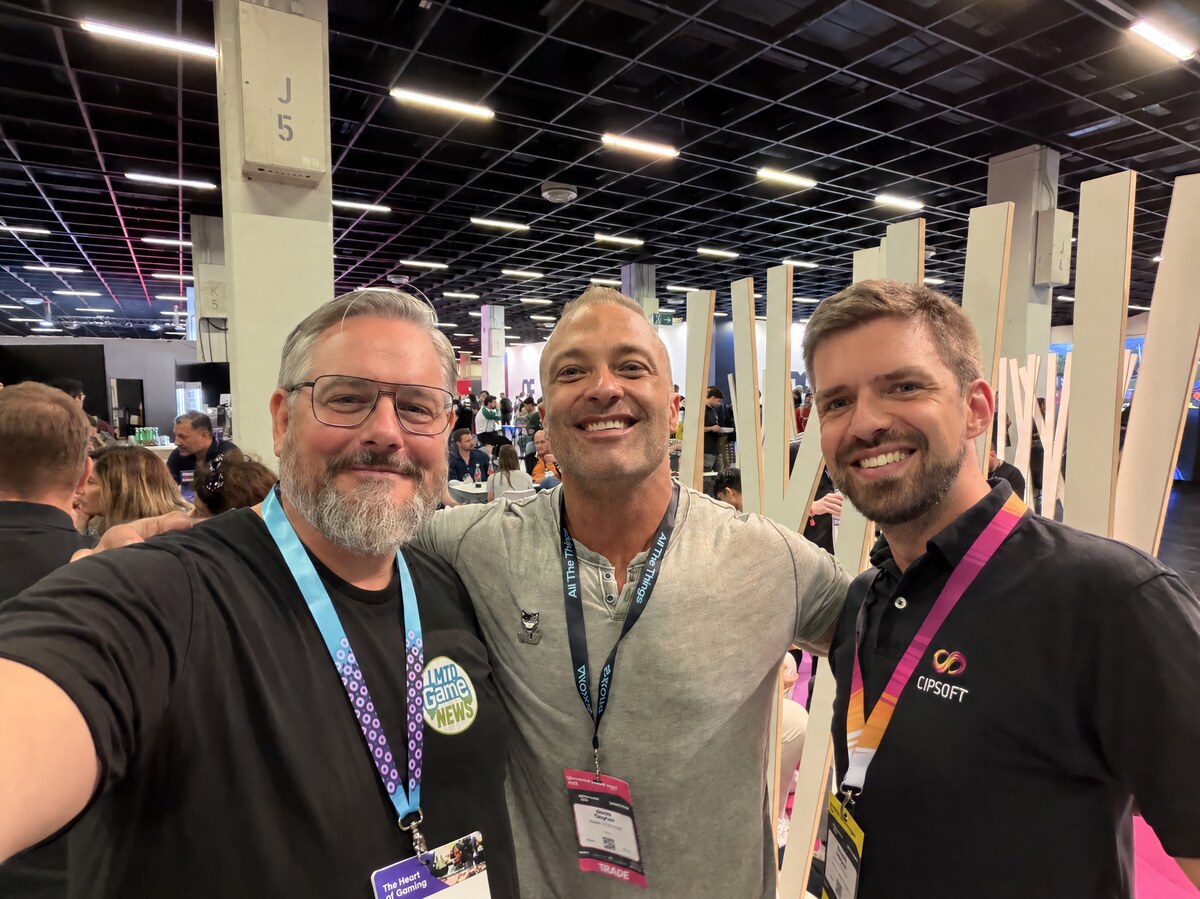
Conversations with Benedict Braitsch, James Deighan and Dennis Mendel took place at gamescom in August 2026; Fabian Käufer and José Donaire contributed written answers afterwards. German-language statements have been translated into English.